
GROUP LESSONS
LEARN, LAUGH AND SWIM TOGETHER.
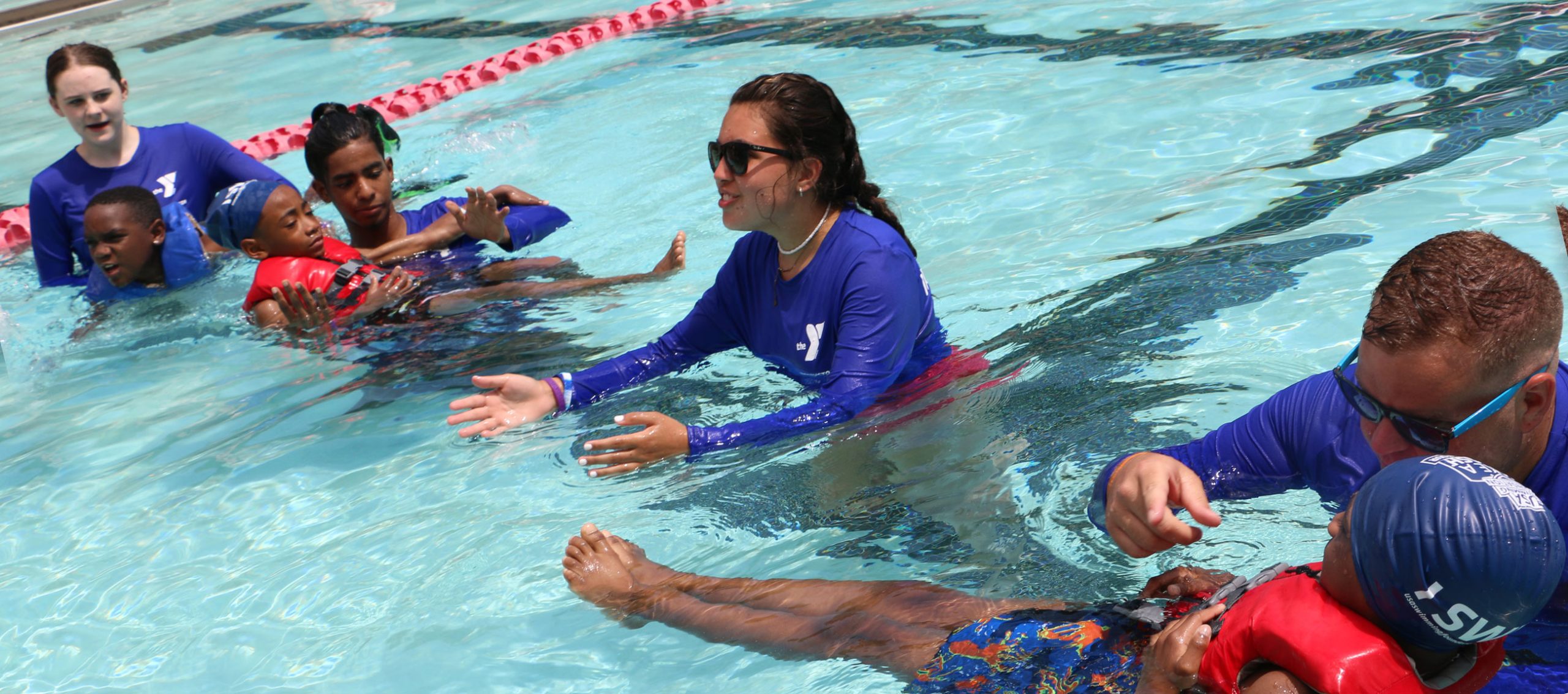
Group classes organized by age and stage, from parent and child lessons through teen and adult. Swimmers learn alongside others, practice water safety and celebrate progress together.
REGISTER HERE
Friendly instructors help swimmers of every age build water confidence, learn water safety and grow skills that last a lifetime.
TEACHING YOUNGSTOWN TO SWIM FOR OVER 100 YEARS
Guided by our mission of putting Christian principles into practice through programs that build healthy spirit, mind and body for all, our lessons welcome infants through adults in a supportive place where every swimmer belongs.
Swimmers get comfortable in the water at their own pace, with encouragement every step of the way.
Every stage builds skills that help swimmers know what to do in and around the water.
Swimming is a skill and a healthy activity your family can enjoy for a lifetime.
Caring, Honesty, Respect and Responsibility are part of how we teach and how we treat each other.
LESSON OPTIONS
GROUP LESSONS
Group classes organized by age and stage, from parent and child lessons through teen and adult. Swimmers learn alongside others, practice water safety and celebrate progress together.
REGISTER HERE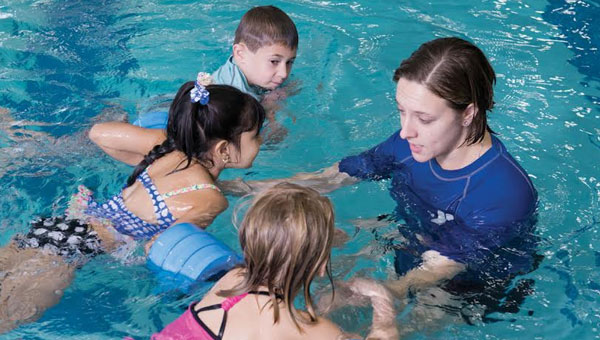
PRIVATE & SEMI-PRIVATE
One-on-one or small shared lessons for swimmers who want more individual attention, whether they are just starting out or working toward a specific goal.
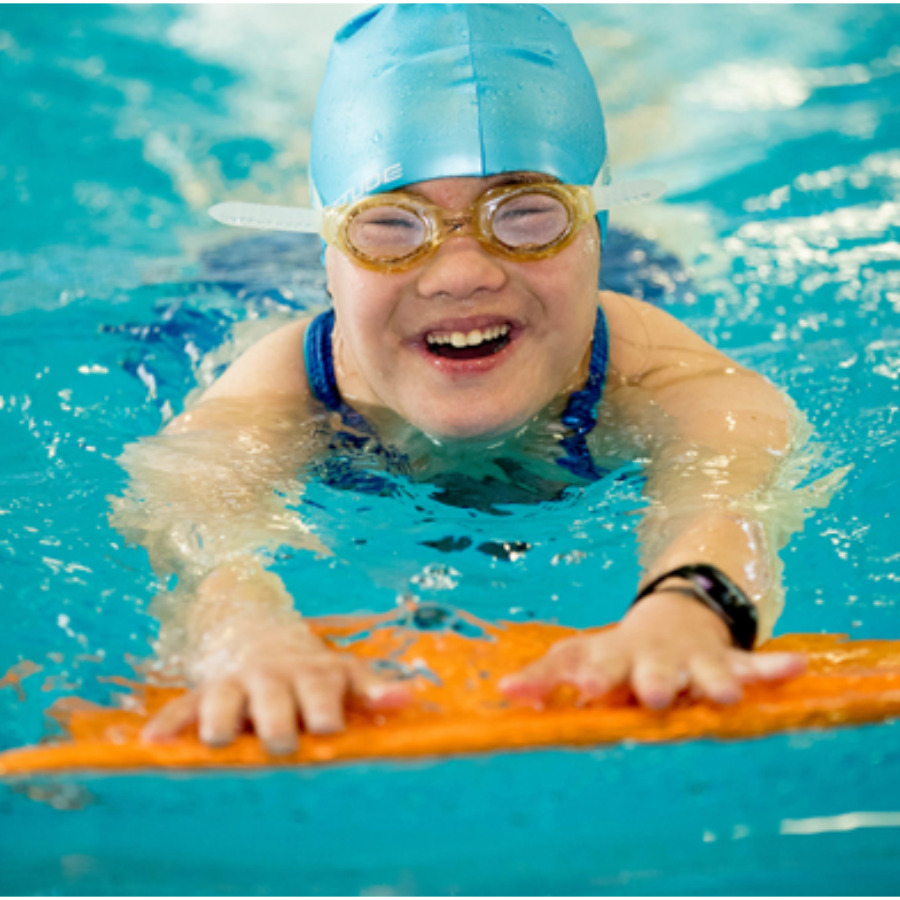
DIVERSE ABILITIES ADAPTIVE SWIM LESSONS
Adaptive swim lessons with support that fits your swimmer.
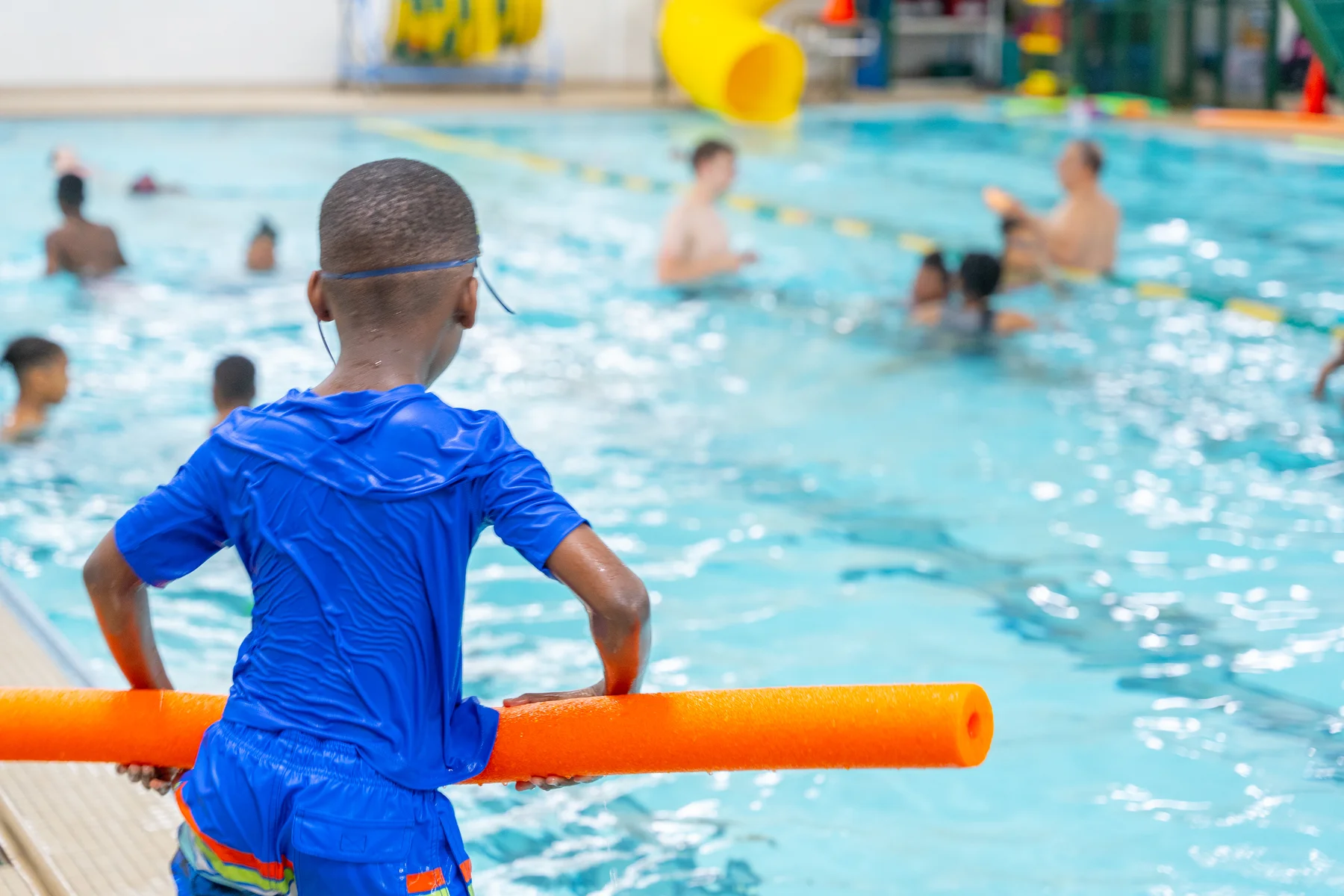
HOW SIGNUP WORKS
Lessons run in one-month sessions year-round.
Choose lessons at the Central YMCA or the Davis Family YMCA.
Not sure where to start? We’ll get to know your child’s swimming skills at their first lesson and help them find the right stage.
WHERE SWIMMING CAN TAKE YOU
Every swimmer’s path is their own. Lessons are the start — here are a few places the water could lead next.
Build water confidence, safety skills and strong strokes.
LEARN MORE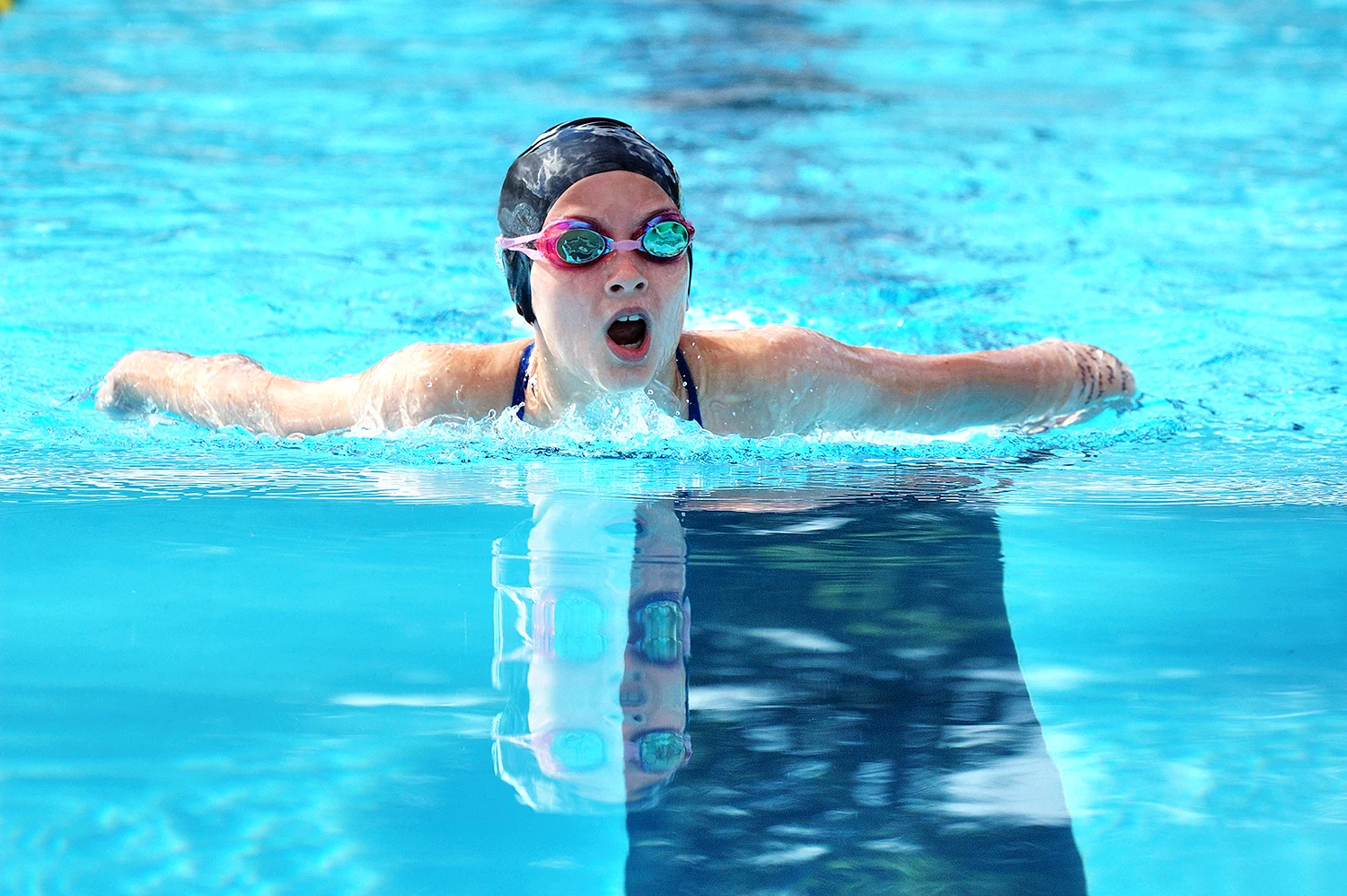
Swimmers who love the water can explore competitive team swimming.
LEARN MORE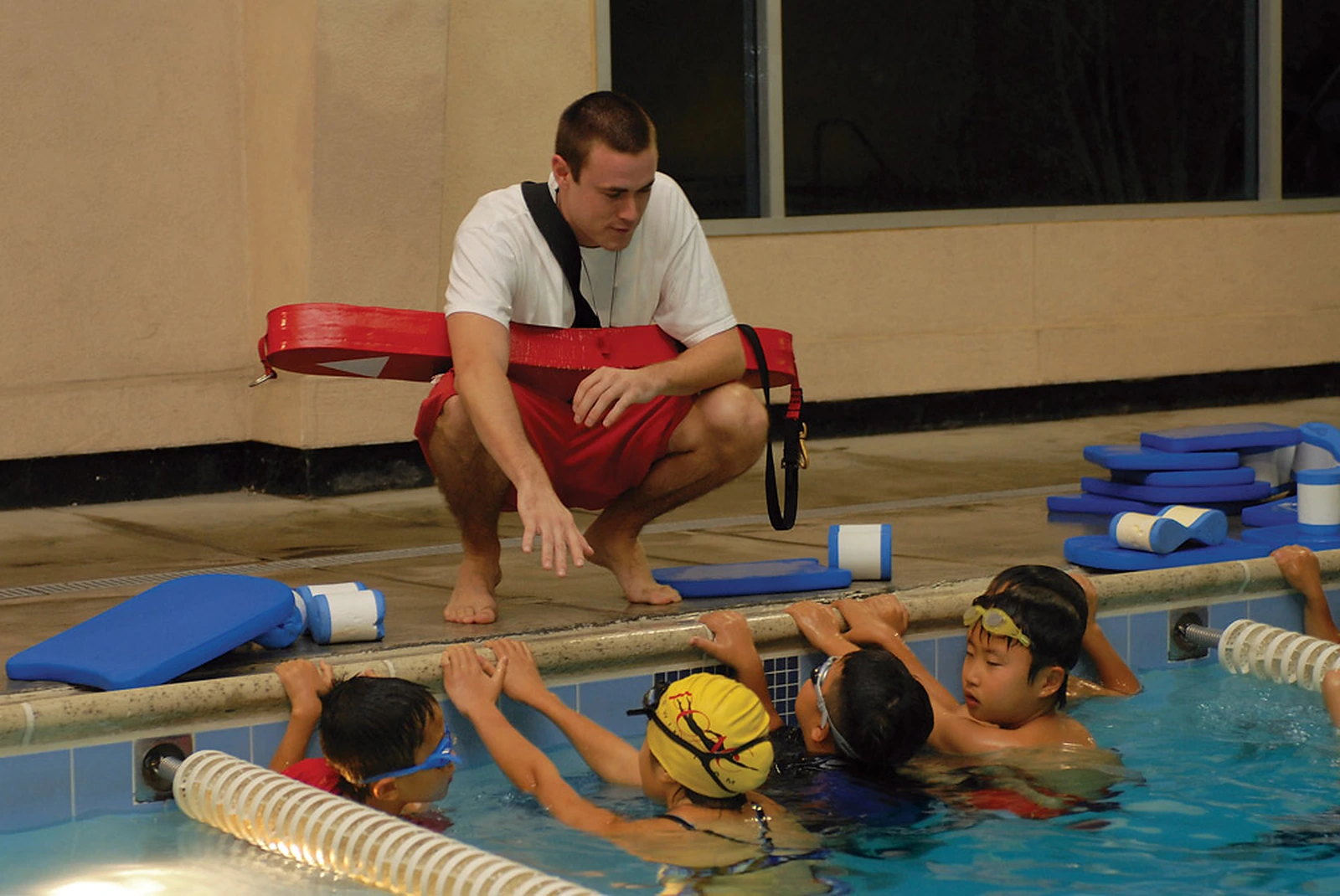
Strong swimmers can learn to help keep others safe in the water.
LEARN MORE
Adults can keep training, stay fit and swim with community.
LEARN MOREPossible next steps, not requirements. Each program has its own expectations, and staff can help you explore what fits.
QUESTIONS?
Davis Family YMCA
Senior Aquatic Director
klyda@youngstownymca.org330-480-5661Central YMCA
Aquatic Director
wbacho@youngstownymca.org330-744-8411 ext. 132REFERENCE GUIDE
Use this guide to get a sense of where your swimmer may begin. It is reference guidance only — instructors confirm placement by assessing skills at the first lesson.
All age groups are taught the same skills but divided according to their developmental milestones.
Work down the questions in order. The first “not yet” points to the suggested starting stage.
Can the student respond to verbal cues and jump on land?
Not yet: start with A / Water Discovery
Is the student comfortable working with an instructor without a parent in the water?
Not yet: start with B / Water Exploration
Will the student go underwater voluntarily?
Not yet: start with 1 / Water Acclimation
Can the student do a front and back float on their own?
Not yet: start with 2 / Water Movement
Can the student swim 10–15 yards on their front and back?
Not yet: start with 3 / Water Stamina
Can the student swim 15 yards of front and back crawl?
Not yet: start with 4 / Stroke Introduction
Can the student swim front crawl, back crawl, and breaststroke across the pool?
Not yet: start with 5 / Stroke Development
Can the student swim front crawl, back crawl, and breaststroke across the pool and back?
Not yet: start with 6 / Stroke Mechanics
*At the Y, we know families take a variety of forms. As a result, we define parent broadly to include all adults with primary responsibility for raising children, including biological parents, adoptive parents, guardians, stepparents, grandparents, or any other type of parenting relationship.
Accompanied by a parent, infants and toddlers learn to be comfortable in the water and develop swim readiness skills through fun and confidence-building experiences, while parents learn about water safety, drowning prevention, and the importance of supervision.
Parents accompany children in stage A, which introduces infants and toddlers to the aquatic environment through exploration and encourages them to enjoy themselves while learning about the water.
In stage B, parents work with their children to explore body positions, floating, blowing bubbles, and fundamental safety and aquatic skills.
Students learn personal water safety and achieve basic swimming competency by learning two benchmark skills:
Students develop comfort with underwater exploration and learn to safely exit in the event of falling into a body of water in stage 1. This stage lays the foundation that allows for a student’s future progress in swimming.
In stage 2, students focus on body position and control, directional change, and forward movement in the water while also continuing to practice how to safely exit in the event of falling into a body of water.
In stage 3, students learn how to swim to safety from a longer distance than in previous stages in the event of falling into a body of water. This stage also introduces rhythmic breathing and integrated arm and leg action.
Having mastered the fundamentals, students learn additional water safety skills and build stroke technique, developing skills that prevent chronic disease, increase social-emotional and cognitive well-being, and foster a lifetime of physical activity.
Students in stage 4 develop stroke technique in front crawl and back crawl and learn the breaststroke kick and butterfly kick. Water safety is reinforced through treading water and elementary backstroke.
Students in stage 5 work on stroke technique and learn all major competitive strokes. The emphasis on water safety continues through treading water and sidestroke.
In stage 6, students refine stroke technique on all major competitive strokes, learn about competitive swimming, and discover how to incorporate swimming into a healthy lifestyle.
Have more questions? Our front-desk staff and aquatic directors are happy to answer any questions about the swim lessons program.